Exploring the psychology behind casino gambling Why do we take the risk

The Allure of Risk and Reward
The psychology of casino gambling is deeply rooted in the allure of risk and potential reward. Gamblers are often attracted to the thrill of taking risks, as this excitement can trigger a rush of adrenaline. The anticipation of winning, combined with the uncertainty of the outcome, creates a compelling environment where individuals feel they could beat the odds. This psychological phenomenon is linked to our brain’s reward systems, which release dopamine when we expect something pleasurable, such as a significant win, enhancing the desire to gamble. Seeking thrilling experiences, such as playing at an online crypto casino, is common among many players.
Furthermore, this quest for reward can overshadow the reality of losses. Many gamblers can become desensitized to losing, viewing each loss as a temporary setback rather than a definitive end. This cognitive bias, known as the “gamblers’ fallacy,” leads individuals to believe that a win is due after a series of losses, compelling them to continue playing in hopes of recouping their expenditures.
The Role of Cognitive Dissonance
Cognitive dissonance, the mental discomfort experienced when holding conflicting beliefs, plays a crucial role in casino gambling. Gamblers often rationalize their losses by focusing on past wins or the idea that they are “just one lucky game away” from turning their fortune around. This self-justification allows them to reconcile the tension between their desire to win and the evidence of their losses, ultimately reinforcing their gambling behavior. Unknown factors can also contribute to this reinforcement.
This phenomenon can create a cycle of continued gambling, as individuals strive to resolve their dissonance through further play. The more they gamble, the more they may feel the urge to regain control and validate their choices, often leading to a deepening of their engagement with gambling activities.
The Impact of Social Environment
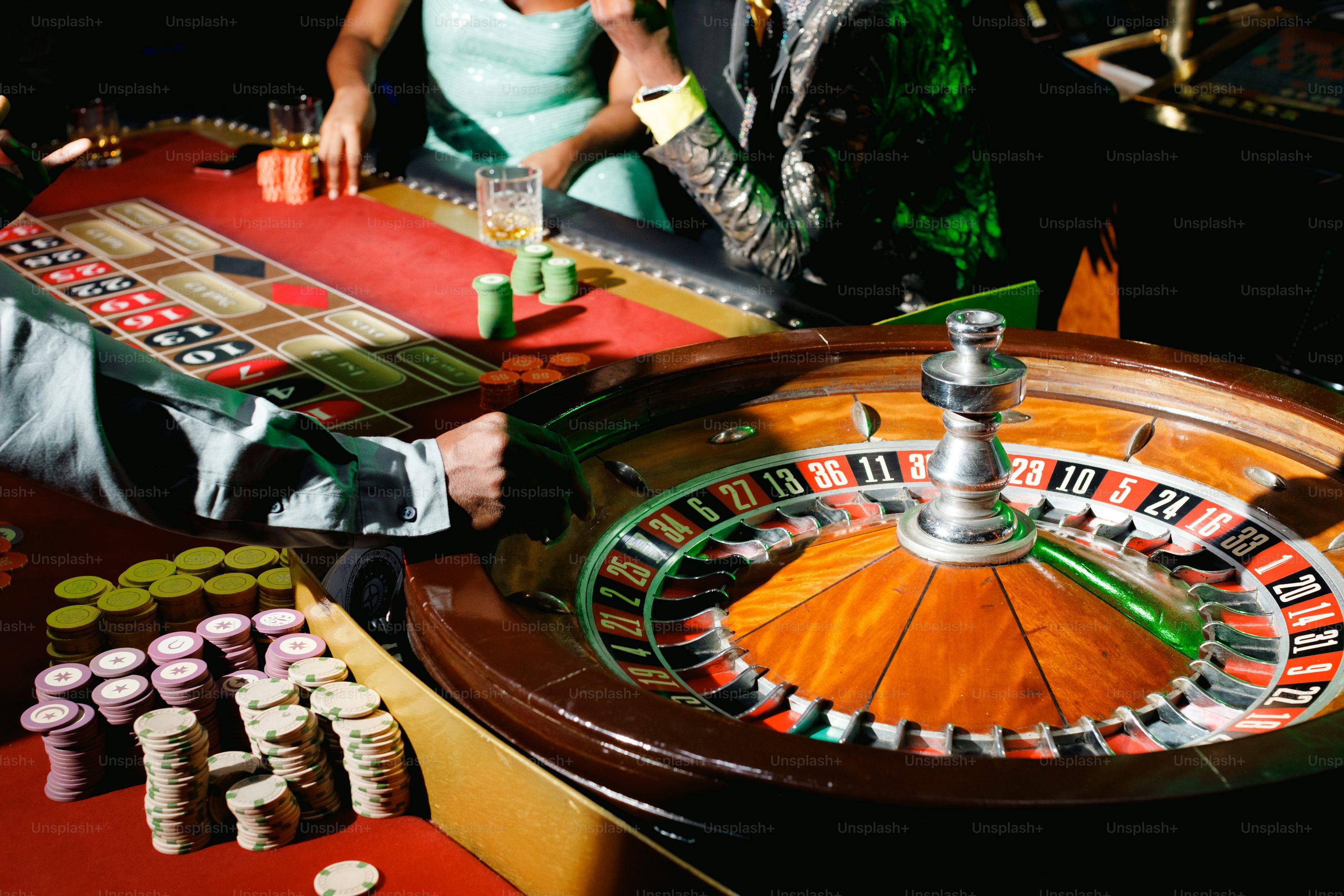
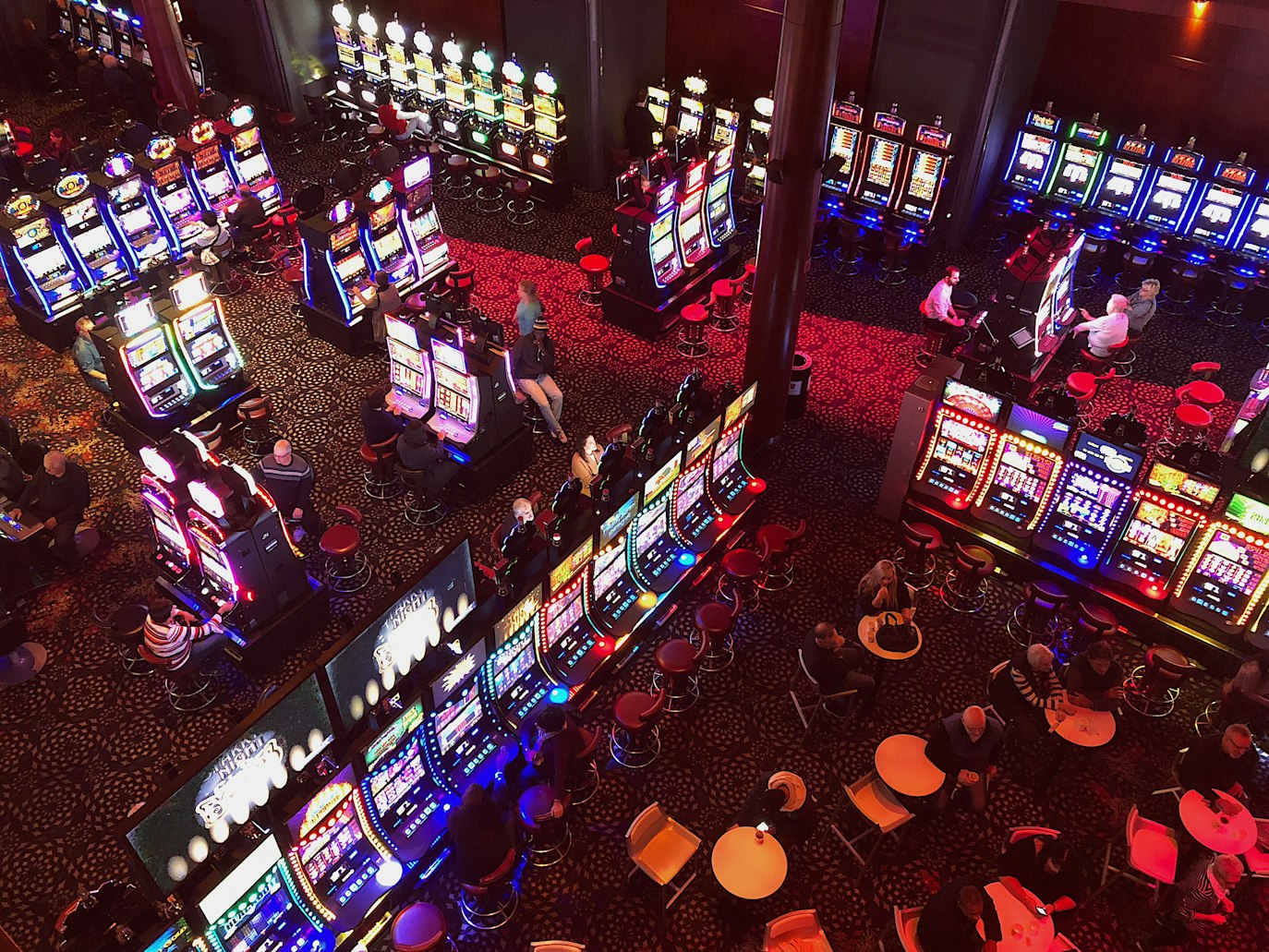
The social environment surrounding gambling also significantly influences individuals’ behavior. Casinos are designed to encourage prolonged gameplay, from the ambiance of excitement to the social interactions fostered among players. The social aspect of gambling can create a sense of community, where individuals feel connected to others in pursuit of common goals, like winning. This camaraderie can heighten the excitement, making it easier for someone to overlook the risks involved.
Moreover, peer pressure and social acceptance can lead individuals to gamble more than they initially intended. When friends or family engage in gambling, an individual may feel prompted to join in, often justifying their participation under the guise of social bonding. This shared experience can reinforce gambling behaviors, making it harder for someone to disengage, even as financial and emotional consequences mount.
The Psychological Triggers of Game Design
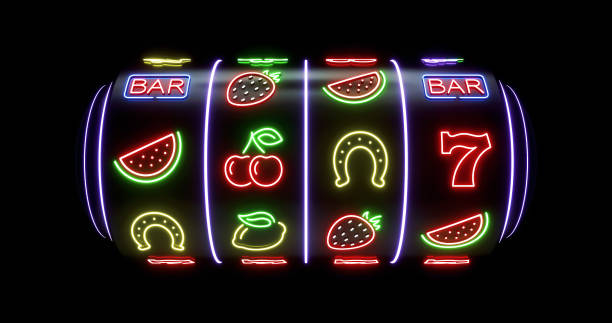
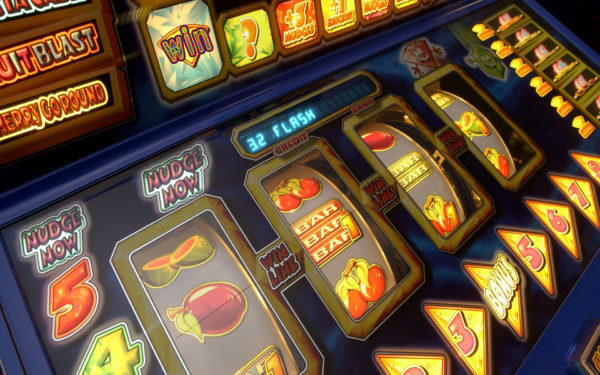
Casinos employ various psychological triggers to keep players engaged and coming back for more. From themed slot machines to interactive table games, the design elements of these games are deliberately crafted to enhance the sense of immersion and reward. Features such as bright lights, sounds, and the visual appeal of potential jackpots create an environment that captivates attention and heightens excitement.
Additionally, the use of near-misses—situations where a player almost wins but ultimately loses—can create a powerful psychological effect that keeps gamblers hopeful. These close calls can lead to increased gambling behavior as individuals believe they are “close” to winning, motivating them to keep playing in pursuit of that elusive victory.
Understanding the Links to Mental Health
The intersection of gambling and mental health is a critical aspect that deserves attention. For many individuals, gambling can serve as an escape from stress, anxiety, or other mental health challenges. The euphoric highs of winning can temporarily alleviate feelings of depression or stress, leading to a cyclical pattern of gambling as a coping mechanism.
However, this reliance on gambling as a means of managing mental health can have detrimental consequences. The pursuit of wins can lead to increased financial strain, relationship issues, and deeper mental health challenges. It is essential for individuals to recognize these patterns and seek healthier coping strategies, particularly as the community continues to address the stigma surrounding mental health and gambling addiction.